
Newly released hepatitis C (HCV) elimination metrics show that in 2024, 4,323 people were newly diagnosed with HCV in New York State (NYS), a 9.7% decrease from 2023 and a 75.7% decrease overall since 2014. From 2010 to 2024, 203,442 New Yorkers were diagnosed with HCV, of which 55.9% are known to have cleared their infection, either through treatment or spontaneously.
New HCV diagnoses and treatment/clearance elimination metrics through 2024 are now available as interactive visualizations, viewable by sex, age, and race/ethnicity. Newly featured race/ethnicity data is available for the most recent year at the statewide and region levels, as well as the New York City borough level, providing a more detailed look at disparities in primary HCV elimination metrics across New York State.
Key data highlights
- In 2024, men were nearly twice as likely to be diagnosed with hepatitis C compared to women, with diagnosis rates of 28.4 per 100,000 and 14.7 per 100,000 population, respectively.
- NEW — Race/ethnicity data: Hepatitis C diagnosis rates were highest among Native Americans* (29.7 per 100,000 pop.) and Black New Yorkers (19.4 per 100,000 pop.) in 2024, underscoring the need for targeted prevention and testing efforts in communities bearing a disproportionate burden of hepatitis C.
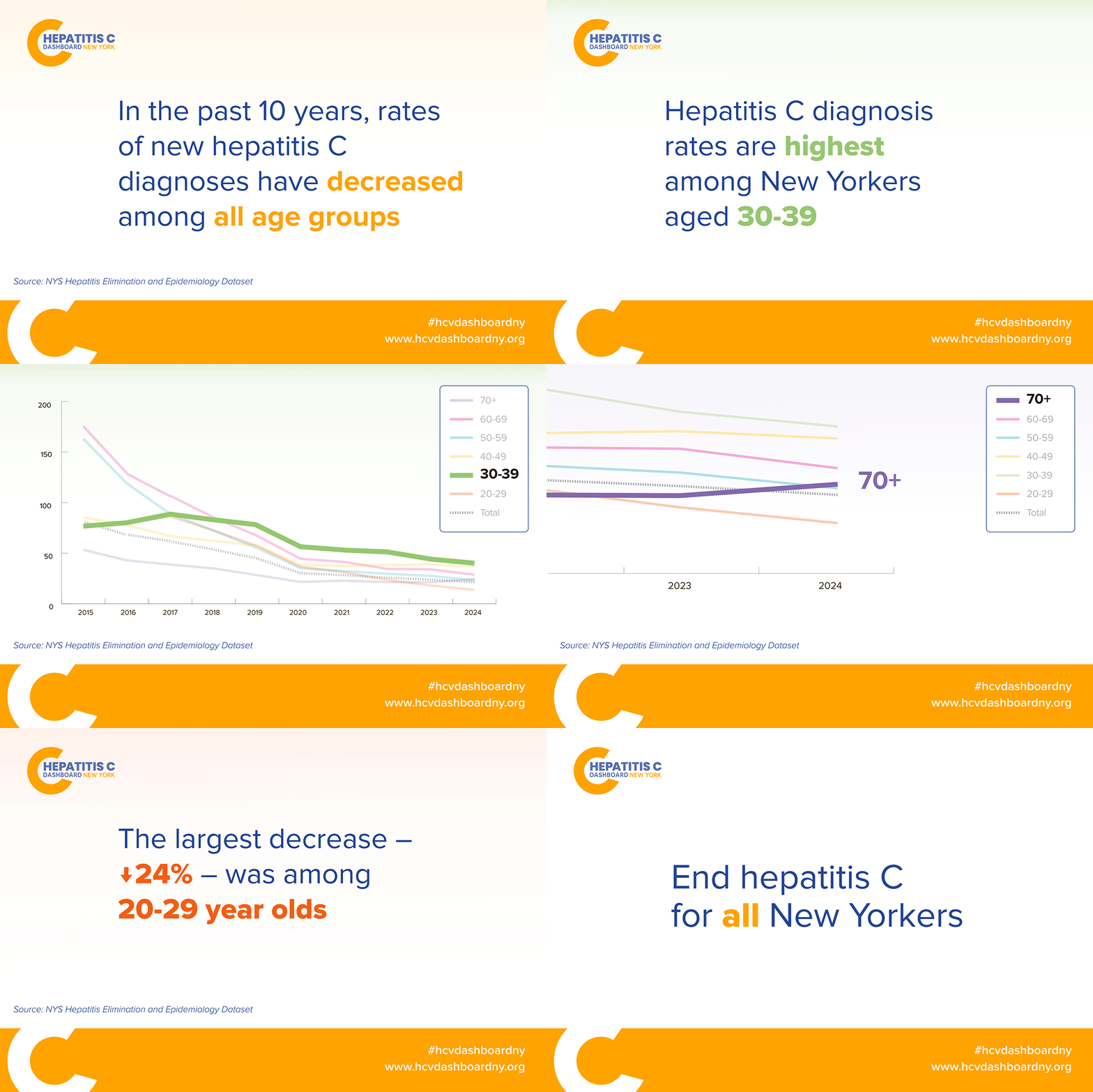
- Age-related trends: Hepatitis C diagnosis rates are highest among New Yorkers aged 30–39. In 2024, rates decreased among every age group except for 70+. The largest single-year decrease (24%) was among adults aged 20–29, whose rate dropped from 18.0 to 13.7 per 100,000 pop. Over the past decade, rates of new HCV diagnoses have decreased across all age groups.
- Progress toward elimination: As of 2024, 56% of New Yorkers diagnosed with HCV since 2010 have cleared their infection, either through treatment or spontaneously, up from 54% in 2023.
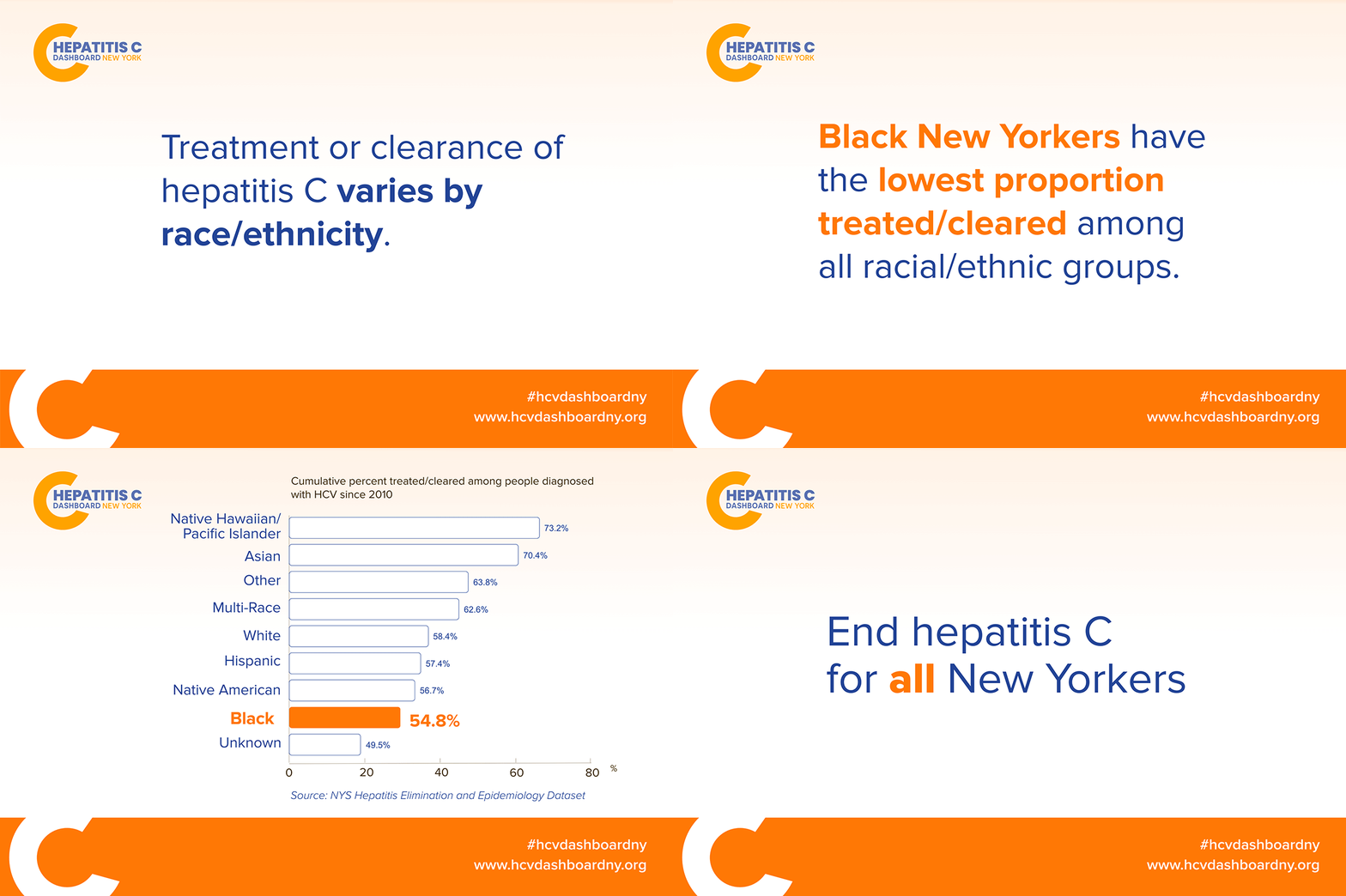
- Treatment/clearance disparities by race/ethnicity: Treatment/clearance of HCV varies by race/ethnicity. Black New Yorkers have the lowest proportion treated or cleared of infection (54.8%) among all racial/ethnic groups, highlighting ongoing inequities in access to HCV care.
- New hepatitis C infections: In 2024, the HCV infection rate among New Yorkers aged 18–40 was 4.6 per 100,000 population, a 28% increase from 3.6 per 100,000 in 2023. This increase was driven in large part by New York City’s implementation of laboratory reporting of negative HCV antibody results in 2024, which improved detection of acute HCV identified via HCV antibody seroconversion in NYC.
The newly available 2024 and race/ethnicity data reveal persistent disparities in key hepatitis C elimination metrics, highlighting the need for targeted, equitable prevention, testing, and treatment efforts alongside the ongoing focus on social determinants of health. For more resources and information about ongoing elimination efforts, visit the New York State Department of Health Hepatitis C page.
*Note: Only 0.4% (18) of all new HCV diagnoses in NYS were among Native Americans in 2024. Also, 28.6% of all new HCV diagnoses in 2024 had unknown race/ethnicity information.
